English Major
Your understanding of how narratives are formed and how they function to generate meaning and motivate action in the world around you matters.
The skills you will gain in writing, editing, communication, independent research, analysis, interpretation, and critical thinking all matter.
Bottom line: Employers seek out your unique skill set. Studying English matters more now than ever before.
Overview of English Studies Heading link
Students studying English are introduced to cultural, historical, political, and critical perspectives and leave the major with increased research skills and heightened theoretical acumen. They also graduate with sharpened analytical abilities, and, of course, a deeper sense of what makes for effective communication, both in oral and written forms.
Our program stresses the “real-world” humanistic skills of being able to analyze the meaning of complicated texts and synthesize abstract or theoretical information from multiple sources. Courses emphasize writing as central to narrative interpretation and critical understanding; employers in a variety of career fields, from corporate to governmental to nonprofit, consistently cite the skills developed by English majors at the top of their lists of desirable qualities in a new hire.
Our curriculum emphasizes both broad and specific skills that students can take into the job market or to graduate school. As an important complement to our curriculum, students have the opportunity to participate in a robust internship program to try out their skills in the workplace while earning college credit.
To learn more about the major and see a sample 4-year plan, please visit the undergraduate catalog.
Minute Major English Heading link
UIC student Jillian Tempestini discusses why she chose to major in English.
Resources Heading link
-
1 . Intern A majority of graduating English majors choose to pursue one or more internships while earning college credit.
-
2 . Learn Students can pursue independent studies in critical or creative projects, work closely with faculty mentors, and present their research at conferences.
-
3 . Work What can you DO with an English major? A whole lot, as it turns out. English majors work in every sector from business to law, nonprofit to science research, marketing to publishing.
Learn more about these resources
Complete an internship in ENGL 493
Core courses in the major Heading link
Explore more course requirements
Areas of specialization Heading link
A UIC English degree prepares students to write well, read well, and think deeply. The English curriculum provides for broad-based knowledge as well as a degree of independent choice and specialization. It is designed to ensure a dynamic and coherent intellectual experience, to train students for further work in the discipline, and to draw on the diverse strengths of the English faculty.
-
Creative Writing
The Creative Writing faculty consists of specialists in the novel, short story, nonfiction, poetry, fiction, contemporary Latinx literature, poetics, novella, translation, the avant-garde, and more.
Students should plan to study writing in a particular narrative genre (fiction, poetry, or non-fiction) where they will pursue one class to begin the study of their genre and take two advanced writing workshops in small seminar settings. These seminars are also open to graduate-level students to allow for a unique opportunity for critique and collaboration.
For current concentration requirements, visit the Undergraduate Catalog.
Meet some of our award-winning and renowned faculty:
Daniel Borzutsky, Assistant Professor
Poet and translatorGina Frangello, Lecturer
Writer of fiction, novelist, essayistChristopher Glomski, Senior Lecturer
PoetChristopher Grimes, Associate Professor
Writer of fiction and short storiesCris Mazza, Professor
Novelist and memoiristMary Anne Mohanraj, Clinical Assistant Professor
Writer of fiction and novelist, post-colonial literature scholarChristina Pugh, Professor
Poet and essayistLisa Stolley, Lecturer
Writer of fictionLuis Urrea, Professor
Writer of fiction, creative non-fiction, and short stories -
Professional Writing
The Professional Writing faculty consists of scholars and specialists in the fields of technical writing, new media, popular culture criticism and analysis, digital writing, and more.
Students should plan to take three courses focused on formats of writing applicable to diverse professional environments, such as public relations, technical writing, editing, and publishing. They also have the option of completing a credited internship in their field and site of choice, or completing a writing portfolio under faculty guidance.
For current concentration requirements, visit the Undergraduate Catalog.
Linda Landis Andrews, Lecturer
Writing for the Media, Professional Writing, Director of the Internship ProgramMargena Christian, Lecturer
Professional Writing, Digital and New Media, Black Popular CultureJeffrey Gore, Lecturer
Grammar and Early Modern StudiesPhilip Hayek, Lecturer
Technical Writing, Professional Writing, RhetoricJay Shearer, Lecturer
Professional Writing -
The Media, Rhetorical and Cultural Studies
The Media, Rhetorical and Cultural Studies faculty consists of scholars in the fields of visual cultural studies, film and television, popular culture, gender and women’s studies, queer theory, disability studies, sexuality studies, Latinx literature, African American literature, literary theory, African literature, Brazilian literature and culture, Marxism, critical theory and aesthetics, grammar, history of rhetoric, rhetorical theory, and more.
This concentration’s breadth allows students to craft their specialization through three courses, one at an introductory level and two more advanced courses, one of which is at the 400-level.
For current concentration requirements, visit the Undergraduate Catalog.
Meet some of our award-winning and renowned faculty:
Natasha Barnes, Associate Professor
Anglophone Caribbean Literature and Culture, African American Literature and CultureKatherine Boulay, Senior Lecturer
Visual Cultural Studies, Media Studies, Gender and SexualityRalph Cintron, Associate Professor
Rhetorical Theory, Ethnographic Theory, Political Theory, Urban Theory, Anthropocene/Climate ChangeAinsworth Clarke, Assistant Professor
African American Literature, African American Intellectual History, Contemporary Black Critical Theory, History of Institutional and Disciplinary FormationsVirginia Costello, Senior Lecturer
Gender and Women’s Studies, ModernismPeter Coviello, Professor
American Literature, Queer Studies, History of Sexuality, Religion, Secularism and Post-Secular CritiqueAngela Dancey, Senior Lecturer
Film Studies, Popular Culture, Gender and Women’s StudiesLennard Davis, Professor
Medical Humanities, Disability Studies, History and Theory of the Novel, Literary TheoryJames Drown, Lecturer
Film studiesMadhu Dubey, Professor
Contemporary American Literature, African American Literature, Multi-Ethnic American Literature, Postmodernism, Speculative and Science FictionRobin Gayle, Senior Lecturer
Gender and Women’s Studies, Queer TheoryScott Grunow, Lecturer
Bible as LiteratureRachel Havrelock, Associate Professor
Environmental Humanities, Biblical Literature and Interpretation, Gender and Religion, Jewish StudiesHelen Jun, Associate Professor
Asian American Literature and Culture, African American Literature and Culture, Carceral Studies, Social Justice, Globalization StudiesAnna Kornbluh, Professor
Nineteenth-Century British Literature and Culture, Form, Marxist TheoryRobin Reames, Assistant Professor
History of Rhetoric, Ancient Greek Rhetoric, Comparative RhetoricMartin Rubin, Lecturer
Film studiesJennifer Rupert, Senior Lecturer
Gender and Women’s Studies, Sexuality Studies, Modernism -
American Literature
The American Literature faculty consists of scholars in the fields of contemporary African American literature, African American cultural studies, multi-ethnic American literature, Native American literature, Latinx literature, postmodernism, 19th-21st century American literature, Asian American literature and cultural studies, contemporary Black critical theory, and more.
Students should plan to take three courses focused on their area of interest, with one introductory course allowed and two advanced courses, one of which is at the 400-level.
For current concentration requirements, visit the Undergraduate Catalog.
Meet some of our award-winning and renowned faculty:
Jennifer Ashton, Associate Professor
Contemporary and Modernist Poetry, Poetics, Literary Theory, American LiteratureWalter Benn Michaels, Professor
American Literature, Art and Aesthetic Theory; Economic Theory, PhotographyGary Buslik, Lecturer
Shakespeare, American literatureJohn Casey, Lecturer
American LiteratureMark Chiang, Associate Professor
Asian American Literature and Culture, Transnational and Diasporic Asian Culture, Race and Ethnic Studies, Marxism and Economic TheoryAinsworth Clarke, Assistant Professor
African American Literature, African American Intellectual History, Contemporary Black Critical Theory, History of Institutional and Disciplinary FormationsPeter Coviello, Professor
American Literature, Queer Studies, History of
Sexuality, Religion, Secularism and Post-Secular CritiqueMadhu Dubey, Professor
Contemporary American Literature, African American Literature, Multi-Ethnic American, Literature, Postmodernism, Speculative and Science FictionRobin Grey, Associate Professor
Nineteenth-Century American Literature, Early American Literature, Early Modern Literature, Enlightenment Thought, Japanese FilmHelen Jun, Associate Professor
Asian American Literature and Culture, African American Literature and Culture, Carceral Studies, Social Justice, Globalization StudiesLuis Urrea, Professor
Writer of fiction, creative non-fiction, and short storiesTerry Whalen, Associate Professor
Nineteenth-Century American Literature, Poe Studies, Popular Culture -
British Literature
The British Literature faculty consists of scholars in the fields of British romantic literature, restoration studies, theater and performance studies, postcolonial and global Anglophone literature, Shakespeare, early modern studies, medieval British and European literature, renaissance literature, 18th-20th century British literature, and more.
Students should plan to take three courses focused on their area of interest, with one introductory course allowed and two advanced courses, one of which is at the 400-level.
For current concentration requirements, visit the Undergraduate Catalog.
Meet some of our award-winning and renowned faculty:
Sunil Agnani, Associate Professor
Comparative Enlightenment Studies, Eighteenth-Century Literature and Culture,
Postcolonial and Global Anglophone LiteratureNatasha Barnes, Associate Professor
Anglophone Caribbean Literature and Culture, African American Literature and CultureNicholas Brown, Associate Professor
Comparative Modernism, African Literature, 20th-Century British Literature,
Critical Theory and Aesthetics, Brazilian Literature and Culture, MarxismGary Buslik, Lecturer
Shakespeare, American literatureMark Canuel, Professor
British Romantic Literature, Critical Theory and Aesthetics, Political TheoryLisa Freeman, Professor
Restoration and 18th Century Studies, Theater and Performance Studies, History and Theory of the Novel; Gender StudiesJeffrey Gore, Lecturer
Grammar and Early Modern StudiesAaron Krall, Senior Lecturer
DramaJennifer Lewis, Lecturer
Postcolonial LiteratureMary Anne Mohanraj, Clinical Assistant Professor
Writer of fiction and novelist, post-colonial literature scholarNasser Mufti, Assistant Professor
Nineteenth-Century British Literature and Culture, Postcolonial Literature and Theory, Critical Theory, Nineteenth- and Twentieth Century Political TheoryAnna Kornbluh, Professor
Nineteenth-Century
British Literature and Culture, Form, Marxist TheoryAlfred Thomas, Professor
Medieval British and European Literature, Renaissance Literature, Shakespeare, Religion and Literature, Czech Literature
Freshwater Lab, an interdisciplinary English course Heading link
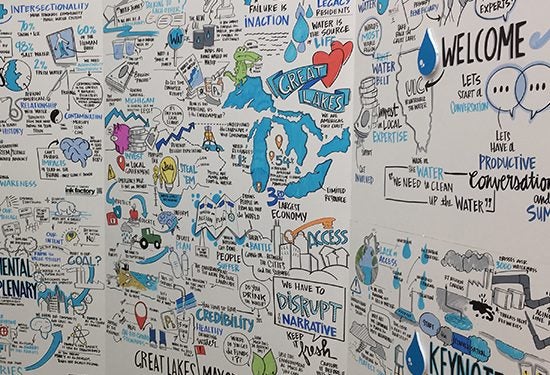
The Freshwater Lab is a cross-listed course between the departments of English, History, and Public Policy which introduces students to the environmental humanities and promotes greater awareness and political engagement with the Great Lakes. In the Humanities “lab” setting, students study the social and ecological dimensions of the Great Lakes, meet with Great Lakes leaders, visit places where water and people meet, and work on projects to advance existing initiatives and pioneer new approaches. Students will also have the opportunity to enroll in a new Freshwater Lab internship program. This course counts towards the Media, Rhetorical and Cultural Studies concentration, or it can be taken by others as a major elective.
Undergraduate research: preparing you for what's next Heading link
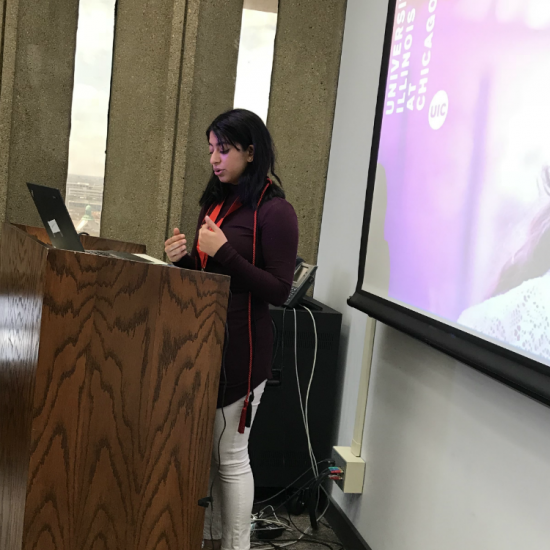
ENGL 379: Independent Study and ENGL 497: Senior thesis are open to upper-level English majors who wish to pursue topics of study not offered in
the regular curriculum. Employers in all career pathways consistently cite the skills developed by English majors at the top of their lists of desirable
qualities. These include writing, editing, and communication skills, the ability to work independently, project management, the ability to analyze and interpret information, and the ability to think critically. Students conducting independent research under the supervision of a faculty mentor hone all of these skills.